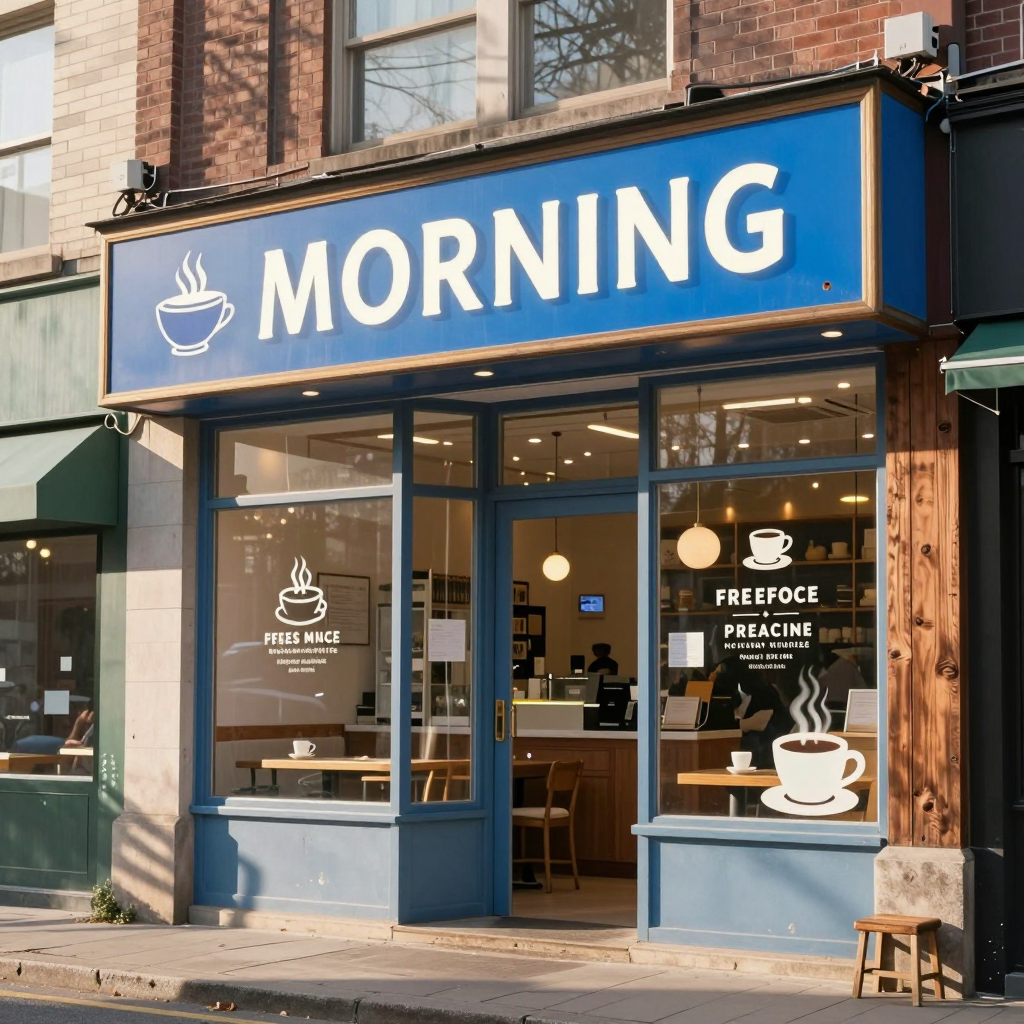
 \n
Morning: The Most Symbolic Moment When the Day Begins Again
Morning is not simply the stretch of time between dawn and noon. When morning arrives, we think about what needs to be done today, make new plans, and set yesterday’s fatigue and mistakes slightly aside. That is why, even within the same twenty-four hours, morning feels uniquely like a “beginning.”
In Korean, the word for morning refers not only to a time of day but also to a sense of everyday life. Breakfast is a meal that awakens the body, a refreshing morning expresses a mood, and a morning person describes someone’s attitude and way of living. In this way, morning goes beyond being a segment on the clock—it also carries the atmosphere of opening something new.
Especially in the morning, even the smallest actions take on greater meaning. Opening a window to refresh the air, drinking a glass of water, brewing coffee, or briefly stretching the body are all examples. They may be nothing more than repeated habits, but through them, people create the feeling that they have “started the day properly.”
That is why morning is less a time to become a perfect person and more a time that makes us believe we can try again. Even if we failed to keep yesterday’s plans, even if our minds were unsettled, a new morning arrives for everyone in the same way. To look forward to the day, prepare for it, and begin again—that is what makes morning so special in our lives.
The Promise Behind Four Simple Words: “Breakfast Served”
On the weathered sign of an old gukbap restaurant is a short phrase: “Breakfast Served.” At first glance, it may seem like nothing more than a notice that the restaurant opens early. But those few words carry a remarkably specific promise to everyone beginning their day.
First, it promises that the doors will open early. For office workers on their way to work, people finishing a night shift, and travelers setting out before dawn, breakfast is a time when there are not many choices. A restaurant with its lights on and its doors open offers comfort in itself. The first message it delivers is simple: “You can eat here right now.”
Next comes the promise that your order will arrive quickly. Mornings are always busy. There is a bus to catch, a workday approaching, or a next destination to reach. So “Breakfast Served” can be read as a signal that a warm meal will be brought to you on time, without a long wait.
The final promise—and the most important one—is the intention to send you on your way feeling full and fortified. A hot, generous meal like a bowl of gukbap does more than simply satisfy hunger. It warms a tired body and gives you the strength to endure a long day ahead.
“Breakfast Served” is not merely a notice about business hours.
It is closer to a down-to-earth promise that you will not have to face your day hungry.
That is why this phrase has remained beloved for so long. Without any elaborate explanation, it conveys sincerity, speed, and nourishment all at once. Its renewed appeal today, appearing on retro-style signs and in brand messaging, likely comes from the modest yet powerful sense of trust these words carry.
Morning: How a Tacky Sign Became the Most Sophisticated Brand
At one time, “Breakfast Served” was a phrase that brought to mind the blue sign of an old gukbap restaurant. It offered no elaborate explanation, but those short words carried a clear promise: the doors would open early, the food would arrive quickly, and customers would be served a hearty meal substantial enough to get them through the day.
That very unpolished sense of trust has become a powerful asset in retro branding today.
The Unexpected Trust Behind Outdated Expressions
These days, cafés, cultural complexes, hotels, and global brands deliberately choose familiar—and slightly old-fashioned—language. The wording on an old sign can feel more human and more honest than a perfectly polished advertising slogan.
“Breakfast Served” is not merely a sentence announcing business hours. To consumers, it conveys images such as:
- A space prepared from early morning
- Fast service without the need to wait
- A welcoming atmosphere where anyone can walk in comfortably
- A hearty sense of care that helps set the day in motion
This is precisely why sophisticated brands are paying attention to expressions like this. Retro branding is not about copying the past as it was. It is the act of translating the emotional trust of the past into the sensibilities of today.
The Power of Morning as a “First Point of Contact”
From a brand perspective, morning is the opening scene of the day. It is when customers choose a coffee on their way to work, look for breakfast at a travel destination, or grab a quick meal before a busy schedule begins. At that moment, brands need to offer more than something special. What matters is the reassurance that “we’re ready whenever you arrive.”
That is why phrases like “Breakfast Served” are so effective. They are brief yet warm, modest yet certain. More than a brand’s elaborate worldview, they suggest that it understands the customer’s practical needs first.
A good morning brand is not simply a place that opens early; it is a place that thinks about the moment a customer’s day begins.
Retro Is Not Decoration, but an Attitude
Simply borrowing an old sign phrase does not make something retro branding. What matters is the attitude behind it, more than the typeface or color palette. The essence of “Breakfast Served” is not nostalgia, but steadfastness.
When a space or brand adopts an expression like this, it needs to ask:
- Is the service genuinely prepared for customers who arrive early?
- Can it provide a fast and comfortable experience?
- Does the unpolished wording align with the way the brand actually operates?
If a brand borrows only the phrase without delivering the experience, retro becomes nothing more than decoration. But when the words and the service are in harmony, a single sentence from an old restaurant sign can become the most modern brand message of all.
There is a clear reason language once dismissed as tacky is being loved again. People are still looking for places they can trust with their day. And that trust sometimes begins more clearly with a simple, understated phrase than with the most dazzling slogan.
Breakfast Served.
The Lifestyle You Meet First Each Morning
The moment we open our eyes, we face a small choice: Should we drink a glass of water first, brew a cup of coffee, or check our phones from bed? It may be an action that lasts only a few seconds, but this choice often becomes the opening scene that sets the rhythm and mood for the rest of the day.
Recently, mornings have evolved beyond simply getting ready for work or school. They have become a time to design a lifestyle of our own. Some people pull on their workout clothes, others quietly open a meditation app, and some write down how they feel that day. Everyone’s first action is different, but they all begin with the desire to start the day in a better way.
Why Morning Routines Have Become More Than Personal Habits
A morning routine may be something we do alone, but it has also become content we share with others. Questions like, “What is the first thing you do after waking up?” naturally spark conversations on social media and online communities. Some people recommend the habit of drinking water, while others document the quiet time they begin with the scent of coffee.
Through this process, routines have expanded beyond a search for the one right answer. They have become a way to learn from one another’s lifestyles.
- A glass of water becomes a signal that gently wakes up the body.
- A cup of coffee becomes a personal ritual for focus and relaxation.
- Light exercise and stretching offer a starting point for regaining the body’s rhythm.
- Meditation and journaling create a small space to organize complicated thoughts.
- Choosing to stay away from your phone can be a way to take back control of the day.
What matters is not so much what you do, but what that action leaves you feeling. For some, an early-morning run is a source of energy. For others, five minutes spent opening the window and gazing at the sunlight may make for a better morning.
The Small Communities Created by Shared Mornings
People find motivation by documenting their own routines and discover new approaches by observing the routines of others. Short posts such as “Morning workout complete,” “Water as my first drink after waking up,” and “10 minutes of journaling” go beyond simply proving that something was done. They help people continue habits they might have easily postponed on their own, while creating loose yet lasting connections with others who share similar goals.
That is why morning content does not need to be grand. More important than a perfect “miracle morning” is finding a routine that works for you and repeating it. Even if you could not wake up a little earlier, you can still begin the day kindly—with a brief stretch or a warm cup of tea.
In the end, a good morning is not a time to prove your productivity. It is the time when you welcome your day before anything else does. Think back to the first thing you did after opening your eyes today. Within that small choice, your own lifestyle may have already begun.
Morning, the Moment That Opens the First Page of a Season
Even if the heat of midday still lingers, the season may already be changing direction. After Ipchu, the first thing to change is usually the morning air. The temperature of the breeze brushing past when you open the window, the sunlight that feels clearer than usual, and the moment when a warm cup of coffee seems especially fitting are often the first signs that the season is shifting.
Morning is not simply the time when a day begins. It is the first point of contact connecting a person’s mood and daily rhythm with the atmosphere of a space and the first impression a brand creates. That is why, when telling the story of a season, the most effective scene often begins in the morning.
“On the first crisp morning after Ipchu, even the familiar streets looked slightly different.”
With just this one sentence, readers can recall both the changing season and their own senses. That is because sensation reaches them before explanation does.
The Seasonal Feeling a Morning Breeze Creates for a Brand
Brands and spaces, too, can capture the changing season in the morning. At summer’s edge, they might suggest a light breeze and a cool drink; at the beginning of autumn, warm coffee and calm, gentle lighting. What matters is not the menu or product itself, but the atmosphere of the moment in which it is experienced.
- A café might offer “the first coffee for a crisp morning.”
- A hotel could turn the beginning of the season into an experience by pairing a quiet breakfast with a walk.
- A lifestyle brand could introduce morning items that open the door to a new seasonal routine.
- A content channel could connect with readers through a brief, sensory message such as “This morning’s air.”
In this way, morning is the time when a brand can approach its customers most naturally, without imposing on them. That is also why the words “It feels a little cooler this morning” can linger longer than a forceful advertising slogan.
A Time to Design Trust and Emotion Together
The phrase “Breakfast available” on the sign of an old restaurant carries a promise: that the doors open early, meals are served quickly, and customers will leave feeling well nourished. In today’s brand language, this ultimately conveys a message of punctuality, care, and trust.
When the emotions of the season are added, morning becomes an even richer world. For some, it is the time to begin the day again. For others, it is the first moment they notice that the season has changed. If a brand understands this feeling, it can naturally become part of a customer’s daily life, moving beyond a simple product introduction.
The first page of a season turns in the morning, before it appears on the calendar. Now is the time to see morning not merely as the beginning of a day, but as the most delicate moment connecting human emotion, the changing season, and the brand experience.
Comments
Post a Comment