 \n
\n
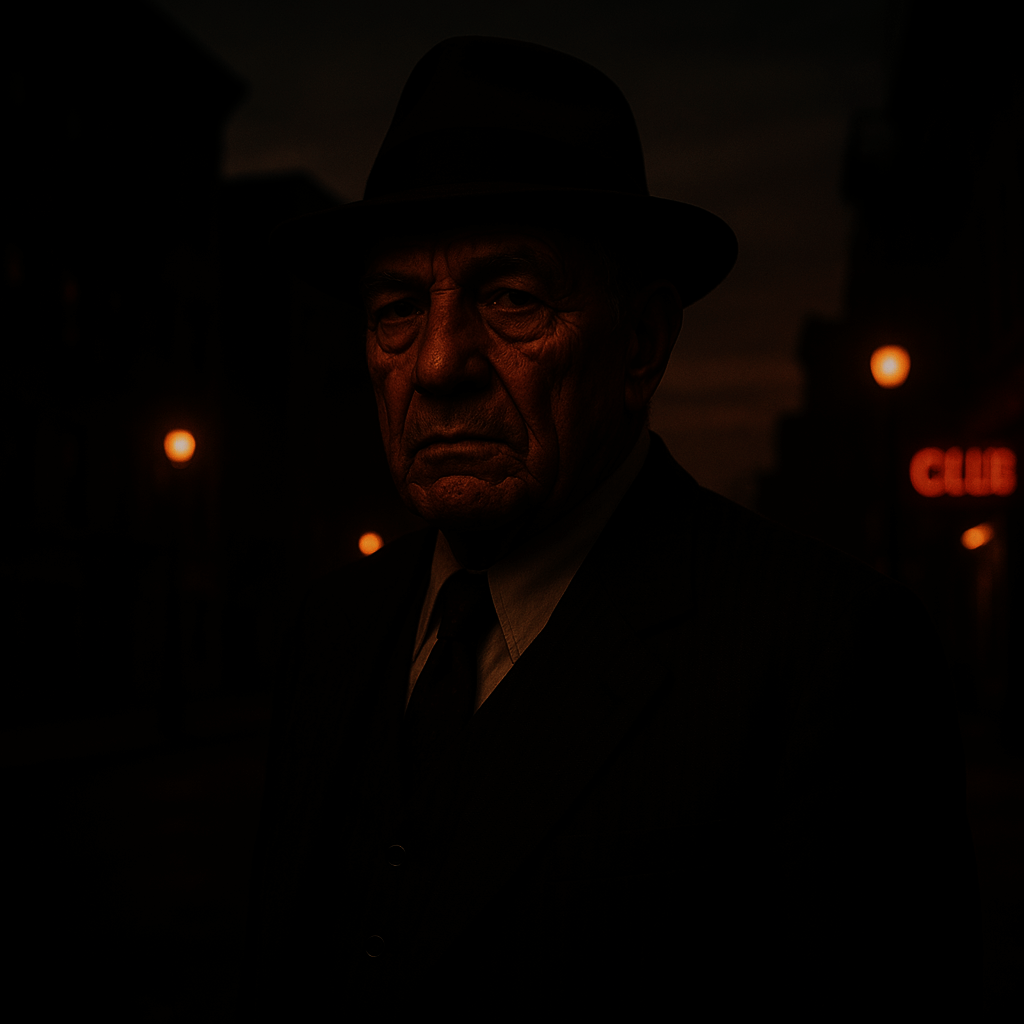
Vincent Pastore, the Night the Bronx Stood Still
On August 1, 2026, news broke in New York’s Bronx of the death of an actor. He was 80 years old. His name was Vincent Pastore, known for playing rough-faced gangsters and taciturn tough guys in countless crime films and television dramas.
Yet the name viewers around the world recalled first was even more vivid than his real one: Salvatore “Big Pussy” Bonpensiero from HBO’s acclaimed series The Sopranos—Big Pussy himself.
As American media reported his death, they consistently emphasized two things. One was the defining presence The Sopranos gave him; the other was the fact that he was a veteran character actor who had spent decades perfecting the atmosphere of New York’s crime genre. Major outlets, including the Associated Press, introduced him as an actor who had played “mobsters and tough guys,” while tributes pointed out that he was far more than a supporting player who simply left behind a frightening impression.
There was always a lived-in quality to the characters he portrayed. Behind their menacing speech and rough gestures were anxiety, loyalty, desire, and unmistakably human moments of wavering. Big Pussy, in particular, was the character in whom all of those qualities emerged most tragically. He was Tony Soprano’s longtime friend and a member of his organization, yet a man forced to become an FBI informant in order to survive. His downfall remains one of the most powerful scenes in the early chapters of The Sopranos.
According to reports, Pastore was found dead at his home in the Bronx, and the specific cause of death has not yet been disclosed in detail. But the way American popular culture remembers him is clear. He was an actor who could make an entire world believable with a single scene, even without occupying the lead role.
The Bronx accent, the atmosphere of New York’s back streets, and the truth that even characters in gangster films carry the weight of real lives—Vincent Pastore left all of it behind in his face and voice. His obituary feels like more than the departure of an actor. It sounds like the quiet closing of a page from the era when American crime dramas were at their most vivid.
Vincent Pastore: A Second Act That Began in His 40s
While most actors were making the rounds at auditions from a young age, Vincent Pastore was running nightclubs across the Bronx and New Rochelle. He later recalled spending nearly 30 years in the club business. The face of the mob character that audiences around the world would eventually remember had learned about life—not on a stage, but on the nighttime streets of New York.
His acting career was far from the typical Hollywood success story. After serving in the Navy, he studied theater at Pace University, but he did not immediately make acting his profession. Instead, he ran clubs where people’s stories intersected, observing a wide range of real-life characters up close. His rough way of speaking, unmistakable New York accent, and ability to read people at a glance all seemed to come from the instincts he developed during those years.
The turning point came when actors Matt Dillon and Kevin Dillon, who were regulars at his club, encouraged him to pursue acting seriously. Only after turning 40 did Pastore begin making a genuine commitment to becoming an actor. From there, he gradually built a presence through small roles in crime films such as Goodfellas, Carlito’s Way, and Gotti.
That experience gave him far more than a simple “gangster image.” Vincent Pastore brought exhaustion, bravado, anxiety, and loyalty all at once to the rough-edged characters he portrayed on screen. Then, when that accumulated body of work exploded in his role as Salvatore “Big Pussy” Bonpensiero in The Sopranos, the late-blooming actor’s second act became part of the golden age of HBO drama.
His journey leaves behind a clear message: a new beginning is not something reserved for the young. In fact, the years one has lived through—and the professional experiences gathered along the way—can become the most powerful ingredients in making someone an irreplaceable actor.
The Faces of New York Shaped by Small Roles: The Presence of Vincent Pastore
In Goodfellas and Carlito’s Way, Vincent Pastore’s name was never spoken as loudly as those of leading actors like Robert De Niro or Al Pacino. Yet the moment he appeared on screen, audiences noticed him instantly. With nothing more than his voice, his walk, and an indifferent glance, he left the impression that “this man knows the rules of this neighborhood.”
Pastore never demanded attention in the manner of a flashy leading man. Instead, he became one of the faces that made the world of New York crime films feel real. A mobster sitting in the corner of a restaurant. A man who knows every rumor on the street. Someone who smiles, but can never be fully trusted. With just a line or two, his performances added texture and tension to every scene.
An Actor Who Didn’t “Play” New York—He Brought New York With Him
For Vincent Pastore, who was born in the Bronx, New York was never just a backdrop for filming. After serving in the Navy and spending many years in the nightclub business, he had absorbed the language of the streets, the temperament of its people, and the hierarchy hidden inside rough jokes. That was why his Italian-American New York accent and blunt manner never felt like something he had manufactured for a character.
This sense of authenticity shone especially brightly in crime films of the 1990s. Works like Goodfellas and Carlito’s Way were already filled with commanding stars and meticulous direction, but supporting actors like Pastore made those worlds feel denser and more complete. Through him, audiences could sense that the organizations in mafia films were not merely cinematic devices, but living societies that breathed on their own.
He was the kind of actor who didn’t need to occupy the center of a scene to explain where that scene came from.
Repeated Gangster Roles, but Never the Same Face
Vincent Pastore continued to play gangsters and tough-guy characters in films such as Gotti and Mickey Blue Eyes. On the surface, this might seem like a simple typecasting as a “mafia specialist.” But there was always a different shade to each of his roles. Some characters were intimidating, others were comic, and still others concealed anxiety and guilt beneath the surface.
Even when playing dangerous men, he revealed their bravado, exhaustion, and loneliness as well. That ability became the foundation for turning Salvatore “Big Pussy” Bonpensiero in The Sopranos into not merely a gangster, but a tragic human being.
Small roles were never the same as a small career. By filling the spaces between countless New York crime films, Pastore created a face entirely his own. In time, that face would lead to one of the most unforgettable gangsters in the history of American television drama.
The Most Human Mafia Figure Created by Vincent Pastore: Big Pussy
Big Pussy was more than just an intimidating mobster. He was a man forced to betray his friends in order to survive, yet the harder he tried to remain loyal, the deeper he sank into fear and guilt. That is why his story remains one of the most shocking—and saddest—moments in the early seasons of The Sopranos.
Salvatore “Big Pussy” Bonpensiero is Tony Soprano’s longtime friend and a trusted member of the organization. But when he faces a lengthy prison sentence on drug charges, he becomes an FBI informant. The crucial point is that he does not betray the others simply for money or ambition. He wants to protect his family, avoid prison, and somehow return to the life he once knew. In the end, however, that choice destroys the relationships he values most.
This is also what made Vincent Pastore’s performance so remarkable. He did not portray Big Pussy merely through the cold expression of a ruthless gangster. In front of his fellow mobsters, he jokes as usual and acts like a loyal friend. But whenever he is alone, anxiety and fear begin to surface. The audience knows he is lying, yet we also see how desperately those lies come from an instinct to survive.
The process through which Tony and the others begin to suspect his betrayal shows that The Sopranos is far more than a simple mafia drama. In this series, violence is not a sudden event, but the inevitable result of long-accumulated suspicion, silence, and pain. From the standpoint of the organization’s rules, Big Pussy’s fate was unavoidable. But viewed through the lens of lifelong friendship, it was a devastating tragedy.
The shock he left behind does not come from the simplistic moral lesson that “traitors must be punished.” Rather, it comes from the fact that the choice he made to survive ultimately drove him into a place where he could no longer go on living. Vincent Pastore portrayed this contradiction with remarkable subtlety, turning Big Pussy into one of the most memorable “human gangsters” in television history.
Vincent Pastore, the Face Everyone Remembers Even When He Wasn’t the Lead
Vincent Pastore was not Hollywood’s biggest star. Yet the moment he appeared on screen, the atmosphere of the scene unmistakably changed. His rough New York accent, the flicker of anxiety beneath his expressionless face, and eyes in which warmth and menace coexisted—he was an actor who could make that world feel real with only a few lines.
Salvatore “Big Pussy” Bonpensiero from The Sopranos most clearly demonstrated that power. He was not simply a Mafia soldier, but a man unraveling between loyalty and fear, family and survival. Viewers condemned his betrayal, yet found it difficult to ignore the pressure and guilt he must have felt in the end. That was because Vincent Pastore placed a deeply human fracture inside the familiar exterior of a “tough guy.”
News of his passing goes beyond the obituary of a single actor; it invites us to reconsider the value of character actors. Leads drive a story forward, but supporting actors create its temperature and texture. A drama’s world truly comes alive through faces that look like regulars at a neighborhood hangout, middle-ranking bosses in an organization, or old friends.
Vincent Pastore was precisely that kind of presence. Some people may not immediately recall his name, but the face and voice of Big Pussy—and the tragic scenes he left behind—are not easily forgotten. He was a face everyone remembers even when he wasn’t the lead, and that alone is more than enough reason to regard him as a defining figure of an era in American crime drama.
Comments
Post a Comment