 \n
\n
Real Salt Lake vs. LAFC, the First Whistle Echoing at Altitude: A Clash of Styles Begins
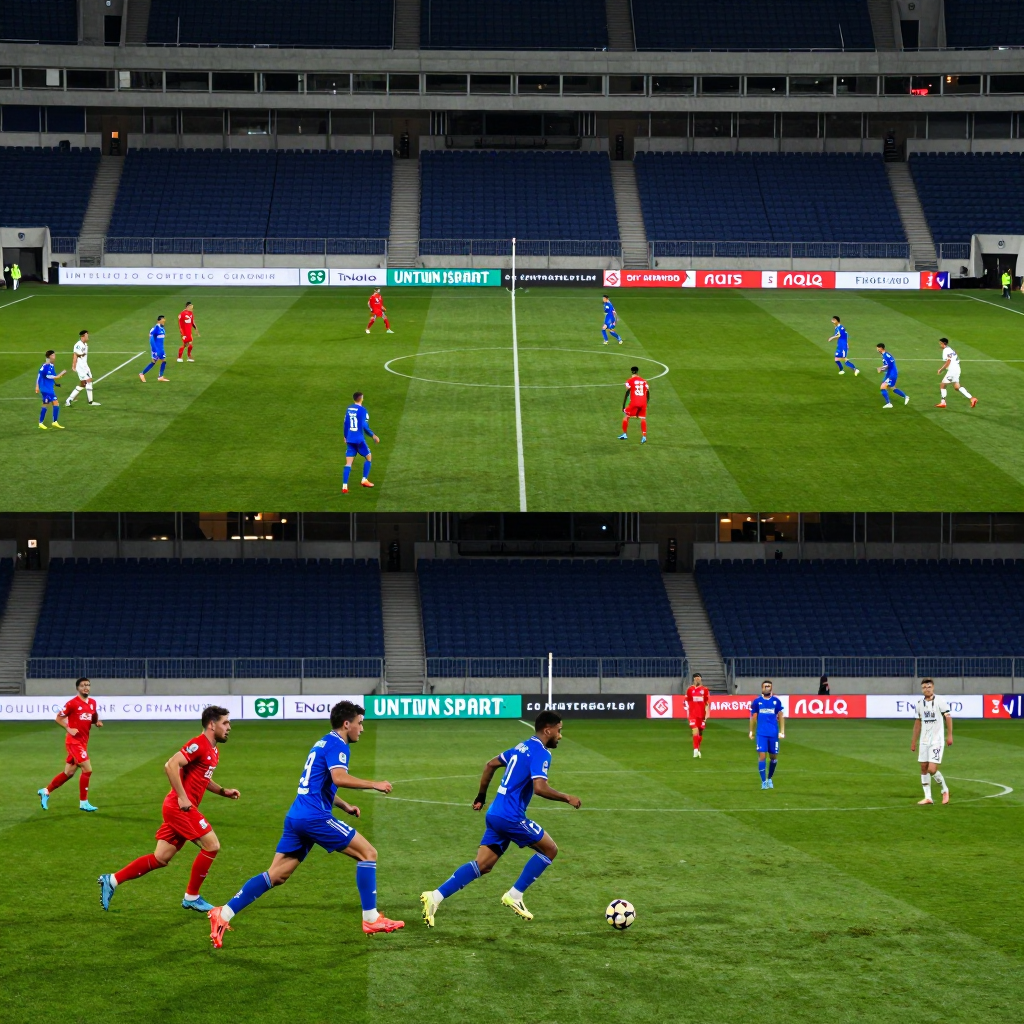
Few matchups in the Western Conference offer a clearer contrast. Real Salt Lake vs. LAFC is about more than simply battling for three points. It is a head-on collision between a team that draws opponents in with the physical demands of high altitude and its tightly organized structure, and a team that can turn the tide in an instant with speed, individual skill, and star power.
Real Salt Lake possesses a special strength at America First Field in Sandy, Utah. The high altitude is a clear factor in the visiting team’s breathing and pressing intensity. LAFC’s rapid transitions and aggressive high press could pose a threat early on, but as the match wears on, Salt Lake will look to dictate the game’s tempo through second-ball battles and set pieces.
LAFC, meanwhile, will have no hesitation about raising the tempo. A winger’s movement into the half-spaces, quick transitions launched from the flanks, and shots around the box can all disrupt the defensive balance with just one mistake. If Salt Lake wavers during the build-up, LAFC is the team most capable of turning that opening into a scoring chance in the blink of an eye.
The key to this match ultimately comes down to which team can impose its rhythm first. If the game becomes slow and rugged, filled with set pieces and aerial battles, Salt Lake will have the advantage. On the other hand, if the ball moves frequently through midfield and the spaces behind the defense open up in an end-to-end contest, LAFC’s speed and attacking talent could prove even more dangerous.
From the moment the first whistle blows, the two teams will test each other in entirely different ways. Will the patience of the high altitude prevail, or will LAFC’s explosive transition play take control of the stadium? This matchup will provide one of the most compelling showcases of the two contrasting football philosophies embedded in the Western Conference.
Real Salt Lake vs. LAFC: How Altitude and Organization Can Turn the Second Half Around
If the home team looks quiet early on but suddenly comes alive after the 60-minute mark, an invisible pressure may be working in the background: the effects of playing at altitude. For visiting teams, America First Field—Real Salt Lake’s home stadium—is more than just a venue. As the match wears on, it becomes an environment where the burden gradually grows heavier.
For a team like LAFC, which thrives on intense pressing and rapid transitions, this factor can become even more significant. Early on, LAFC may use its energy and relentless movement to disrupt RSL’s buildup. But as the second half progresses, the gaps between pressing players and the speed of their recovery may begin to loosen. That is precisely the moment Salt Lake waits for.
Why RSL’s Tempo Changes After the 60-Minute Mark
Rather than trying to overwhelm opponents from the opening whistle, Salt Lake excels at wearing them down through midfield battles and second-ball duels. At home, the following patterns become especially dangerous:
- Winning second balls after long passes and spending more time in the opponent’s half
- Creating cutback opportunities through wide fullbacks and half-space runs
- Applying pressure through corners and free-kick situations
- Using target forwards to engage tired defenders in physical battles
As this pattern continues, it becomes increasingly difficult for the visiting team to maintain its press. LAFC’s high defensive line is attractive from an attacking perspective, but once fatigue sets in, it can turn into a weakness—leaving more space behind the fullbacks and expanding the areas center backs must cover.
Organization Turns Altitude Into a Tactical Weapon
Altitude alone does not guarantee victory. The key is how systematically Salt Lake can exploit that environmental advantage. RSL can patiently wait for the moment when its opponent begins to tire, then gradually push its lines higher and commit more players forward as the match enters its later stages.
In particular, in Real Salt Lake vs. LAFC, the home team’s management of buildup risks will be crucial. If RSL tries to break through LAFC’s press with reckless short passing from the outset, it could create chances for the visitors instead. But if Salt Lake withstands the early battles with discipline, then increases the emphasis on forward passes and attacks down the flanks after halftime, it will have a much better chance of changing the flow of the match.
Altitude is more than a simple home advantage.
For Salt Lake, it is a tactical weapon that slows the opponent’s press and allows the team to shape the second half on its own terms.
LAFC’s Charge: The Moment One Press Turns into a Scoring Chance, Salt Lake vs. LAFC
The instant RSL makes just one poor passing decision in its defensive third, LAFC’s wingers and attacking midfielders may already be racing toward the goal. The heart of Salt Lake vs. LAFC lies in this brief but devastating transition phase.
LAFC is not simply a team that presses high up the pitch. It excels at anticipating where the opponent will pass and creating pressing traps on the flanks and through the center. If an RSL center back or defensive midfielder plays an uncertain pass, LAFC does not win the ball and then patiently build through several passes. It surges forward immediately, advancing into shooting range.
The First Pass After the Press Is the Most Dangerous
LAFC’s high press is aimed not merely at winning the ball, but at the first pass immediately after winning it. When the opposition loses possession while its defensive line is spread wide, natural gaps appear in the center and half-spaces.
- The wingers do not stay glued to the touchline; they cut inside.
- The attacking midfielders act as second runners near the box.
- The fullbacks or wingbacks maintain the width, stretching the defense.
- The central striker occupies the center backs and creates space for runs in behind.
If this pattern repeats, RSL can find itself in danger around the box before it has time to get its defensive numbers in place. This is also why LAFC creates so many shots in open play. Its rapid attacking transitions target the exact moment when the opponent’s defensive structure is at its most vulnerable—before it has fully recovered its shape.
RSL’s Build-Up Is Both an Opportunity and a Risk
RSL is a team that looks to initiate attacks through build-up play and progressive passing. Against LAFC, however, that strength can become a liability at the same time. If RSL calmly plays out from the back, it can attack the space behind LAFC’s high line. But even a slight lapse in the speed or direction of a pass can immediately become the starting point for a counterattack.
Two situations, in particular, demand attention.
Short passes after being forced toward the flank
LAFC increases its numbers on the wing to limit available options. Trying to force the ball back inside at that moment can allow LAFC to win possession and send it toward the box immediately.An uncertain forward pass into the defensive midfielder
If a midfielder receiving with his back to goal becomes trapped under pressure, LAFC’s attacking midfielders can hunt for the second ball in the most dangerous areas.
In the End, the Match May Come Down to How Long the Press Lasts
If LAFC blocks RSL’s passing lanes with intense pressure from the opening minutes, the game could quickly turn into the kind of open contest LAFC prefers. On the other hand, if RSL survives the initial press and disrupts the rhythm with long balls, switches of play, and set pieces, LAFC’s charge may gradually lose its momentum.
Ultimately, LAFC’s greatest weapon in this matchup is not merely its dazzling individual skill. It is the explosive speed after the press—the ability to turn a single lapse in the opponent’s judgment into a scoring chance.
Real Salt Lake vs. LAFC: The Dangerous Psychological Battle Between Build-Up and Pressing
The outcome of Real Salt Lake vs. LAFC is likely to be determined less by which team enjoys more possession and more by who can beat the first wave of pressure—and how they do it. RSL prefer to build from the back, but LAFC are highly capable of applying pressure up front that makes that very choice dangerous.
The first major turning point will come whenever RSL’s center backs or defensive midfielders receive the ball. LAFC will look to narrow passing lanes, force play toward the flanks, and then swarm the ball with several players at once in a pressing trap. If that pressure succeeds, LAFC can create shooting opportunities near the box almost immediately, without having to go through a long build-up.
RSL’s Choice: Bold Progressive Passes or Safe Long Balls?
RSL can try to evade the press with quick progressive passes into midfield. If that approach works, wide spaces will open up behind LAFC’s high defensive line. A single pass into a forward attacking the half-space or a fullback peeling out wide could change the entire mood of the match in an instant.
However, progressive passes can be fatal when they fail. If RSL lose the ball in the central areas, LAFC’s quick wingers and attacking midfielders can immediately join the counterattack. For RSL, an aggressive decision could quickly turn into a conceding threat.
The safer long ball, by contrast, is a simple but realistic solution.
- Direct passes toward a target striker
- Taking control of midfield through second-ball battles
- Attacking the space behind LAFC’s advanced fullbacks
- Drawing fouls that lead to corners and free-kick situations
This approach has the advantage of bypassing LAFC’s press in a single move. Especially in the high-altitude home environment, the value of second-ball battles and aerial duels could grow even greater as the match moves into its later stages.
LAFC’s Key Question: How Long Can They Sustain the Press?
If LAFC disrupt RSL’s build-up with intense pressure from the opening minutes, the match could quickly turn into an open game. Winning the ball and then driving into the half-spaces is exactly the kind of attacking sequence LAFC thrive on.
But pressing demands energy. Maintaining the same intensity of a high press for 90 minutes at altitude is no easy task. If LAFC fail to produce results early and begin to tire, their high defensive line could instead become exposed to RSL’s long balls and direct progressive passes.
Ultimately, this will not be a simple battle for possession. Whether RSL are willing to take risks and thread passes through the pressure—or choose the pragmatic route of long balls and second balls—will completely shape the tempo of Real Salt Lake vs. LAFC.
Salt Lake vs. LAFC: A Slow Affair or an Open Game?
The key to deciding the outcome of this match may lie less in the tactical battle than in the tempo of the game. In the matchup between Salt Lake and LAFC, what matters more than which team enjoys possession for longer is which side can dictate the match on its own terms.
If the game slows down and the midfield battles and second-ball contests continue to repeat, RSL are likely to be the ones smiling. Playing at altitude at home, they can gradually wear down the intensity of their opponent’s pressing before creating chaos inside the box with long balls, crosses, and set pieces. Especially as the match progresses, if RSL continue winning second balls, LAFC’s defense may have no choice but to drop deeper and deeper.
However, the story changes if both teams go toe-to-toe from the opening whistle. LAFC are at their most dangerous when space opens up. After winning the ball through their high press, their wingers and attacking midfielders can quickly attack the half-spaces, forcing RSL’s defensive line to deal with several threats in a matter of seconds. In this kind of open game, LAFC’s speed and individual skill are not merely advantages—they become decisive weapons capable of changing the entire flow of the match.
Key Checkpoints That Could Decide the Match
RSL’s buildup stability
Risky short passes could become easy targets for LAFC’s high press. When necessary, RSL must be willing to choose the long ball decisively and reduce mistakes in dangerous areas.How long LAFC can sustain their press
Even if their intense early pressure proves effective, maintaining it for the full 90 minutes will be difficult in an away match at altitude. When LAFC choose to adjust the intensity of their press will be crucial.Who wins the second balls
The key is not simply who wins the aerial duel, but who claims the ball that comes next. If RSL control the second balls, they will generate more set pieces and follow-up attacks; if LAFC get there first, those moments can become the starting point for rapid transitions.
Ultimately, if the match turns into a gritty, physical battle, RSL’s home advantage will grow. But if space opens up and the game becomes an end-to-end contest, LAFC will be far more comfortable unleashing their attacking power. Salt Lake vs. LAFC is set to be not only a tactical battle, but also a contest over who can control the speed of the game.
Comments
Post a Comment