Seong Hyun-joo: A Comedian’s Journey to Becoming an Essayist After Losing Her Son — A Chronicle of Grief
 \n
\n
Seong Hyeon-joo: The Deepest Grief to Find the Woman Who Made People Laugh
Even a comedian who gives laughter to others can, without warning, be handed life’s deepest sorrow. Seong Hyeon-joo, who made her debut as a member of KBS’s 22nd class of publicly recruited comedians, first met the public through broadcast comedy. After marrying in 2011, she continued to balance her everyday life and career as a mother.
But in 2020, her life suddenly became a time unlike anything that had come before. She endured the devastating loss of her first son, who was only five years old at the time, after he died of sepsis. The kind of loss that is difficult to speak of to anyone—especially the passage of time experienced by parents who have lost a child before themselves—cannot be fully explained by the simple phrase “the process of overcoming grief.”
The reason Seong Hyeon-joo’s story resonates so deeply is that she had originally been someone who created laughter. The divide between the bright energy she shared on stage and on television and the deeply personal, overwhelming tragedy she was forced to bear leaves many people with a poignant question:
What language can someone who made laughter for a living find in the face of unbearable grief?
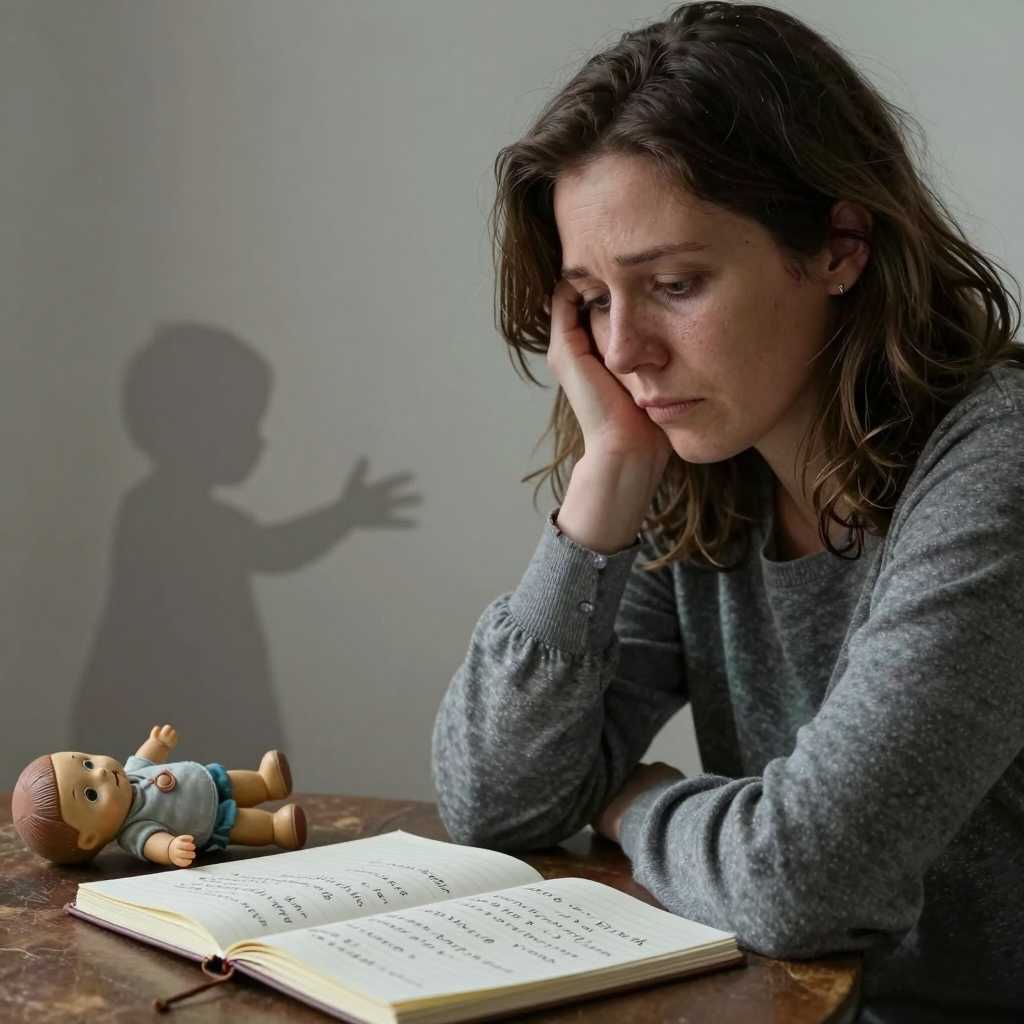
Seong Hyeon-joo did not answer that question with silence alone. She began recording, in writing, her longing for her son and the days left behind for her family, creating her own language of mourning. These words are not a confession meant to turn tragedy into something to be consumed. They are closer to a record of how to keep living without forgetting the child who has gone.
Her life can no longer be explained by a single name—comedian. Seong Hyeon-joo is a broadcaster who once created laughter, a mother enduring loss, and a writer who preserves her grief in words. And at the beginning of that transformation lies an endless love for her five-year-old son.
Sung Hyun-joo Delivers an Unspoken Grief Through a Book
Even after losing her child, time did not stop. The seasons changed and daily life went on, but part of a mother’s heart must have remained for a long time on the day she said goodbye to her child. Sung Hyun-joo began quietly recording that time—one too difficult to fully express in words—in her essay How Are You?
For Sung Hyun-joo, who once brought laughter to audiences as a KBS comedy talent, writing became another language. In 2020, after losing her first son to sepsis at the age of five, she chose not to hide her grief, but to face it through writing, photographs, and records of everyday life. How Are You? is the mourning essay that was born from that process.
The book begins with the heart’s impulse to ask the child who has gone away how he is doing. Within the brief question, “Are you doing well?” are intertwined guilt, longing, and a love that can never be fully let go. That is why Sung Hyun-joo’s writing does not simply convey a heartbreaking story. It is closer to a record of how the family left behind endures each day and learns to live again while carrying its memories.
The grief of parents who have lost a child, in particular, is an emotion that cannot easily be put into words. It is difficult even to offer words of comfort, let alone claim to fully understand what they are feeling. Sung Hyun-joo has carefully opened this silent realm through her own language. Through the book, readers do not merely observe someone else’s loss; they encounter the time a mother spent loving her child—and the love that still remains.
The power of How Are You? does not lie in reaching the conclusion that “grief has been overcome.” Rather, it lies in the truth that life continues even when grief does not disappear, and that memories can take on new forms within an unfolding everyday life. Sung Hyun-joo’s record invites us to see mourning not as an emotion that must be hidden, but as a way of remembering someone we deeply loved.
The Everyday Life After Grief, as Shown by Seong Hyun-joo
Healing may not mean completely erasing painful memories. Rather, some grief remains and becomes part of life, and we learn how to live each new day alongside those memories. This is also why Seong Hyun-joo’s story leaves such a profound aftertaste.
After losing her first son, Seong Hyun-joo chose to record that time in writing rather than conceal it. Her essay collection, Your Well-Being, is not merely a book about longing for a child who has passed away. It is also a record of how the family left behind endures time and continues living after loss. In it, we see an attitude that does not regard grief solely as something to overcome, but instead allows it to take its place gently within one’s life.
A photograph capturing the birth of her second daughter and a small hand visiting the columbarium conveys the same message. In that scene, memories of the first child who passed away coexist with the family’s newly unfolding chapter. It shows that moving forward does not mean forgetting the past, but walking into the future while carrying those memories close.
Seong Hyun-joo’s story reminds us that “becoming completely okay” is not the only measure of recovery. Grief may remain for a long time, yet even within it, we can laugh, love, and create a new everyday life. That is why her record offers quiet comfort to those who have experienced a similar loss—and gently broadens the language our society uses to speak about mourning.
Seong Hyun-joo and a Family’s Time Reconnected Through New Life
In September 2025, Seong Hyun-joo welcomed her second daughter into her arms, healthy and safe. The arrival of new life after the loss of her first son deeply moved many people. Yet this birth did not mean that her grief had disappeared—or that she had forgotten the child who had gone before.
Instead, Seong Hyun-joo’s sense of time continued to flow with the past and present intertwined. Her longing for her first son still remains within the life of her family, while the birth of her second daughter has become a new moment in everyday life, built upon those memories.
Welcoming a new child is not about filling an empty space, but also about beginning again the time in which love can be given.
Even when Seong Hyun-joo visited the columbarium, she remembered her first son together with her second daughter. The little hand reaching out in front of the place where her departed child rests offered a poignant symbol: two children born in different moments are connected within the story of one family.
What made this image resonate so deeply was that it did not show only “happiness after complete healing.” Grief remains, yet life goes on. Memories may still hurt, but a family can smile again. Seong Hyun-joo’s story reminds us that life after loss is not a process of erasing the past, but of embracing longing while continuing to live each new day.
The Question Left by a Small Hand Reaching Toward the Columbarium
In the photograph, the space where her firstborn son now rests appears alongside her second daughter, who is reaching out her small hand in front of it. The scene Sung Hyun-joo shared on social media cannot be read as merely a family photo. Within a single frame, loss and birth, memory and the present quietly overlap.
The longing for her first child does not disappear with the birth of her second. Conversely, loving a new life does not mean loving the child who has passed away any less. This photograph reveals a truth that is obvious, yet difficult to put into words.
Can we remember a child who has passed away while still loving a new life wholeheartedly?
That is also why Sung Hyun-joo’s photograph left so many people deeply moved. We often assume that happiness arrives only after grief has ended. But real life is not divided so neatly. Some people smile while carrying sorrow, and hold on to their longing as they build new moments with their family.
Her second daughter’s hand is not a hand meant to replace her firstborn son. Rather, it is a hand that seems to invite his presence into the family’s memory without erasing it. Instead of living as though the child who has passed away has simply left an empty space behind, it is a way of keeping him within the family’s story.
In this sense, Sung Hyun-joo’s record reaches beyond personal mourning. Rather than suggesting that one must hide grief in order to return to everyday life, it shows us that sorrow and love can exist side by side. The small hand reaching toward the columbarium seems to tell us this: memory does not bring life to a halt. It is another way of continuing to live while carrying the one we loved within us.
Comments
Post a Comment